Why fridge seals matter for inspections
When preparing for a food-safety inspection, facilities managers have dozens of checks to make. One that often gets overlooked is managing fridge seal replacement. Damaged or worn seals not only compromise temperature control but can also raise red flags with inspectors, risking your food hygiene rating. In this guide, we’ll walk through what to expect from an inspection, why seals are a legal requirement for producing food that is safe to eat, and how to build seal checks into your wider food safety management system.
What inspectors check during a food-safety inspection
Every food business is required to follow food law and maintain a food safety management system (such as HACCP). During an inspection, authorised officers will:
- Inspect your premises, storage areas, and equipment.
- Check that food is being produced and stored safely.
- Assess whether your processes protect against contamination.
- Review cleaning schedules and pest control measures.
- Confirm compliance with record-keeping requirements.
- Take food samples or seize foods if they believe there is a risk to public health.
Your inspection result will be displayed publicly as a food hygiene rating, making preparation essential for your reputation.

The 5 basic rules of food safety (and where seals fit in)
Food businesses are expected to follow the core principles of food safety:
- Cleanliness – keeping all surfaces, equipment, and seals clean.
- Cooking – ensuring food reaches safe temperatures.
- Chilling – storing food at the correct temperature, which depends on airtight fridge seals.
- Cross-contamination prevention – separating raw and cooked food.
- Compliance – following food law and record-keeping requirements.
A damaged seal can undermine at least three of these areas: cleanliness, chilling, and compliance.
Seal replacement checklist for inspections
Here’s a practical fridge seal inspection checklist you can add to your wider inspection prep:
- Visual inspection – Check for cracks, splits, or black mould on seals.
- Tightness test – Close a piece of paper in the fridge door; if it pulls out easily, the seal isn’t holding.
- Temperature check – Monitor fridge temperature and freezer temperature readings. A failing seal often causes fluctuations.
- Cleaning schedule – Include seals in daily wipe-downs and weekly deep cleans.
- Replacement plan – Budget for seal replacement every 12 months, depending on use and wear.
- Stock rotation – Remember: a faulty seal can cause condensation and spoilage, undermining your “first in, first out” policy.
Download your free checklist NOW!
Food Safety Inspection Seal Replacement Checklist
By managing fridge seal replacement proactively, you reduce inspection risks and maintain compliance. More on this below!
Seal maintenance: cleaning, replacing, and ordering
Fridge seals are classed as food contact surfaces, so inspectors expect them to be clean, intact, and functioning properly. Here’s how to manage them day to day and what to do if replacement is needed.
How to clean fridge seals
- Wipe seals daily with warm, soapy water to remove crumbs and spills.
- Use an antibacterial food-safe cleaner weekly to stop mould build-up.
- Don’t use sharp tools or harsh chemicals — they can split the rubber.
- Make sure seals are dried properly to avoid trapping moisture.
For full instructions, see our guide to cleaning fridge seals.
How to spot when it’s time to replace a fridge or freezer seal
Even with good cleaning, seals wear out over time. You may need to replace them if you notice:
- Cracks, tears, or warping in the rubber.
- Black mould that doesn’t come off with cleaning.
- Doors that don’t close fully or feel loose.
- Condensation or ice build-up around the door frame.
- Rising fridge or freezer temperatures despite regular servicing.
We’ve covered this in detail in our how to know when to replace fridge seals guide.
Steps if you need a replacement
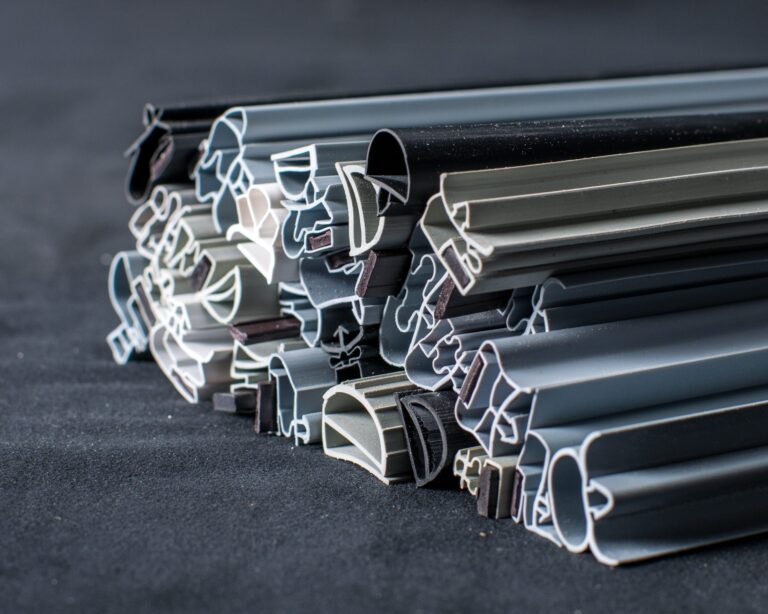
- Identify your seal – note down the make and model of your fridge or freezer.
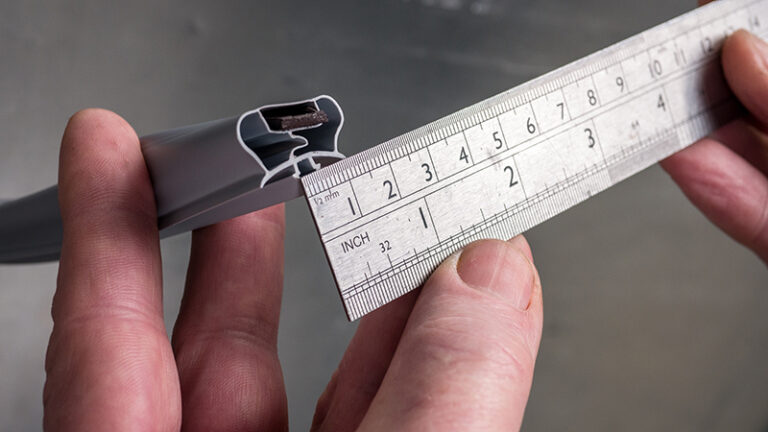
- Measure accurately – measure length, width, and profile to ensure a perfect fit.
- Order from a trusted supplier – choose food-safe, high-quality seals designed for commercial use.
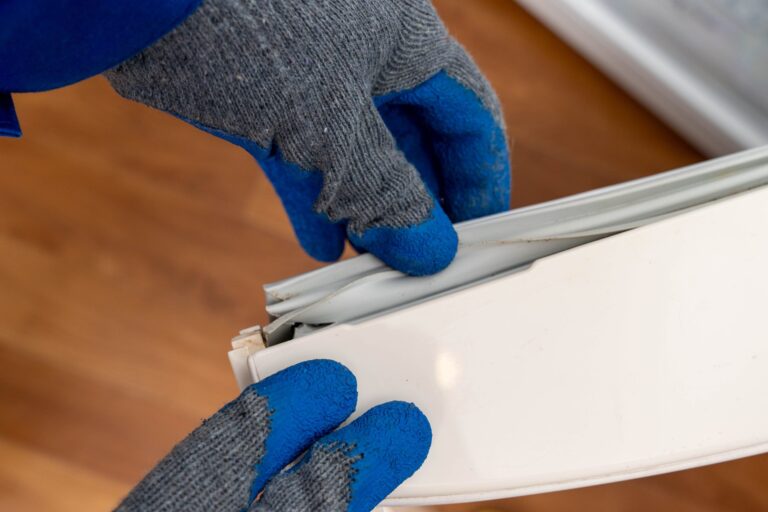
- Install promptly – fit the replacement as soon as possible to restore full temperature control.
Our helpful guides to identifying, measuring, and installing your fridge seals help get the process sorted in no time.
Managing seals across multiple sites
If you look after more than one premise, keeping fridge seals inspection-ready can be harder. Different fridge models, audit schedules and local practices mean things easily get missed. A few ways to stay in control include:
- Scheduling seal checks alongside routine site audits.
- Keeping a central record of installation and replacement dates.
- Ordering in bulk to cut costs and reduce downtime.
- Giving site teams clear guides so they can request the right seal quickly.
For more details, check out our complete guide to managing fridge seal replacements across sites.
Wider inspection essentials
While seals are a critical part of equipment maintenance, facilities managers also need to cover the broader inspection checklist, including:
Hygiene of rooms and equipment
- Food rooms should be clean, tidy, and well maintained.
- Equipment (including fridge doors and handles) must be easy to clean.
- Suitable cleaning chemicals must be available and stored correctly.
Food storage
- Deliveries should be stored immediately.
- Ready-to-eat foods must be kept separate from raw foods.
- Food in fridges and freezers must be covered and date-coded.
- Fridges, freezers, and seals must be in good working order and defrosted regularly.
Food handling practices
- Staff should use separate utensils for ready-to-eat foods.
- High-risk foods should be prepared in small batches and chilled quickly.
- Colour-coded equipment should be used correctly.
- Controls should be in place for allergens and cross-contamination.
Personal hygiene and pest control
- Staff must follow handwashing and clothing rules.
- Premises must be pest-proofed, with waste stored correctly.
Record-keeping
- Food safety checks must be recorded and up to date.
- Any issues found should have corrective actions logged.
How to pass your food hygiene inspection
Passing a food safety inspection isn’t about quick fixes the week before; it’s about building compliance into everyday practice. As a facilities manager, you’ll want to make sure your systems cover both people and equipment. Here’s how:
1. Train and monitor staff consistently
- Provide regular training in handwashing, allergen awareness, and safe food handling.
- Make sure staff know the 4 Cs of food safety: Cleaning, Cooking, Chilling, and Cross-contamination.
- Observe practices on shift. Inspectors may ask staff questions, so they need to demonstrate knowledge as well as follow procedures.
- Keep training records up to date — they form part of your food safety management system.
2. Carry out your own inspections before the EHO does
- Use a food safety checklis to spot issues before an authorised officer arrives – option to include our PDF checklist?
- Check hard-to-reach areas such as behind fridges, under shelving, and inside fridge seals for dirt or mould.
- Verify that food rooms, equipment, and utensils are clean and fit for purpose.
- Test fridge and freezer temperatures at different times of day to ensure stability.
3. Keep HACCP records clear and accessible
- Document all Critical Control Points (CCPs) — including temperature monitoring of chilled storage.
- Keep records up to date and make sure they’re easy to present if an inspector asks.
- Record any corrective actions. For example, if a faulty fridge seal was identified, replaced and rechecked.
- Review your HACCP plan regularly to reflect changes in suppliers, menu, or equipment.
4. Maintain and service equipment properly
- Schedule regular servicing of fridges, freezers, and complex equipment like slicers or dishwashers.
- Include fridge seals in weekly checks, and replace them immediately if they’re damaged or no longer holding a tight fit.
- Ensure probe thermometers, insectocutors, and handwashing facilities are in working order.
- Keep spares (such as replacement seals or sanitising chemicals) in stock so you don’t get caught out.
5. Make fridge seals a priority area
- Fridge seals are often used by inspectors as a quick hygiene indicator — if seals are dirty or cracked, they’ll assume other areas are being neglected.
- Poor seals can cause temperature fluctuations, raising concerns about food being stored at unsafe levels. If you experience ice buildup in your freezer or fridges that are consistently too hot, a worn-out fridge seal could be the cause.
- Build seals into your cleaning rota and replace them every 12 months, or sooner if damaged.
- Remember: seals link directly to fridge efficiency and compliance with food law, risk to public health, and your food hygiene rating.
The cost of ignoring seal replacement
Failing to maintain seals can have serious consequences:
- Food stored at unsafe temperatures (risk to public health).
- Lower food hygiene rating displayed publicly.
- Possible enforcement notices from local authorities.
- Financial losses from wasted stock.
For facilities managers, this is not just a maintenance issue but a legal requirement tied directly to compliance with food law.
Conclusion
Preparing for a food-safety inspection means thinking beyond surfaces and checklists — it’s about embedding compliance into your daily operations. Fridge seals might seem like a small detail, but inspectors often see them as a quick indicator of overall hygiene standards. Clean, intact, and airtight seals help you control temperatures, protect food from contamination, and demonstrate that your business takes food safety seriously.
By making seal checks a routine part of your food safety management system, you’ll reduce risks, protect your reputation, and stay inspection-ready year-round. Staying on top of seal maintenance isn’t just about passing an inspection — it’s about safeguarding your customers, your staff, and your business.
To replace your fridge seals, explore our extensive offering of high-quality OEM bespoke seals or browse our branded fridge seals for top brands including Polar, Williams and Foster.
Get in touch today to discover how our tailored supply solutions can make fridge seal management simpler and more efficient.
Common questions about inspections (FAQs)
What are the 4 C’s in food safety?
Cleaning, Cooking, Chilling, and Cross-contamination.
What are the 5 basic food safety rules?
Cleanliness, cooking, chilling, cross-contamination control, and compliance with food law.
What is HACCP in food safety?
Hazard Analysis and Critical Control Point — a system to identify and control risks in food production.
Can an inspector enter and inspect without warning?
Yes, local authorities can arrive without making an appointment.
How often should fridge seals be replaced?
On average every 6–12 months, or immediately if cracked, mouldy, or loose.
What happens if food isn’t stored at the correct temperature?
Inspectors may seize food, issue enforcement notices, or downgrade your hygiene rating.