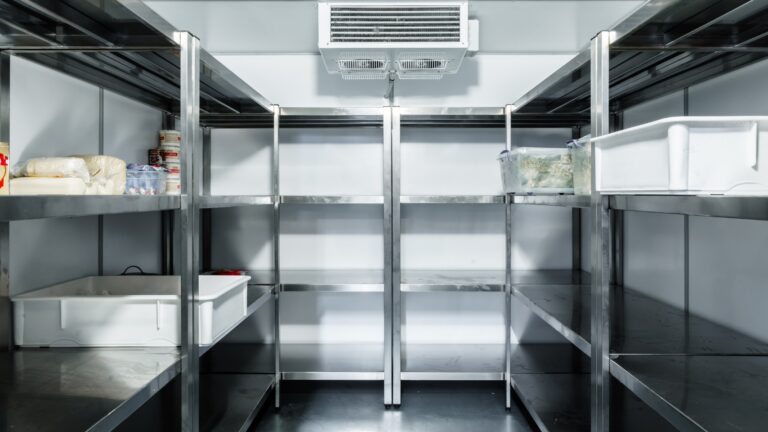
Commercial kitchens are among the most energy-intensive environments in the UK. From refrigeration units running 24/7 to ovens, grills and dishwashers operating under constant demand, energy use adds up quickly. In fact, according to the Carbon Trust, refrigeration alone can account for up to 28% of a kitchen’s total energy bill, with Electrolux reporting that this figure can be as high as 40%. For facilities managers, restaurant chains and independent engineers, keeping running costs under control isn’t just about sustainability – it’s about profitability and compliance too.
That’s where a small, often overlooked component makes a big difference: fridge door seals.
The EPA indicates that heat leakage through gasket areas may account for up to 21% of the total thermal load, meaning a worn seal isn’t just a maintenance issue; it’s a direct drain on your energy bills.
This blog explores the vital role fridge seals play in enhancing energy efficiency in commercial kitchens, their significance for compliance and cost control, and the practical steps businesses can take to maintain these savings.
Why Regulations Make Quality Fridge Seals Non-Negotiable
In the UK, food safety regulations require commercial kitchens to maintain strict storage temperatures, typically 0–5°C for chilled food and –18°C for frozen items. Environmental health officers check this during routine inspections, and fridge door seals are a common point of failure.
A split or damaged seal doesn’t just waste energy, it can also cause fridges to drift out of safe ranges, leading to:
- Failed inspections
- Risk of food spoilage
- Disruption to operations
- Potential SLA penalties if refrigeration units can’t meet compliance standards
This is why seals are more than an energy-saving accessory – they’re a frontline compliance safeguard that keeps kitchens operational and reputations intact.
The Energy Consumption of Commercial Kitchens
Commercial kitchens are some of the most energy-intensive spaces in the economy, using five to seven times more energy per square foot than other commercial buildings. The biggest culprits? Cooking appliances, refrigeration, heating, and ventilation.
Refrigeration alone can account for up to 40% of total energy costs. And when seals are worn, units work overtime to maintain temperature, burning through electricity.
That means a single faulty door seal can waste hundreds of pounds in electricity every year. For multi-site operators, the impact quickly multiplies into the thousands, costs that could be avoided with timely seal replacement.
Fridge Seals: The Hidden Guardians of Energy Efficiency
When people think about saving energy in a commercial kitchen, they often jump straight to new equipment, switching to LED lighting, or investing in advanced cooking technology. But sometimes the smallest, cheapest parts make the biggest difference.
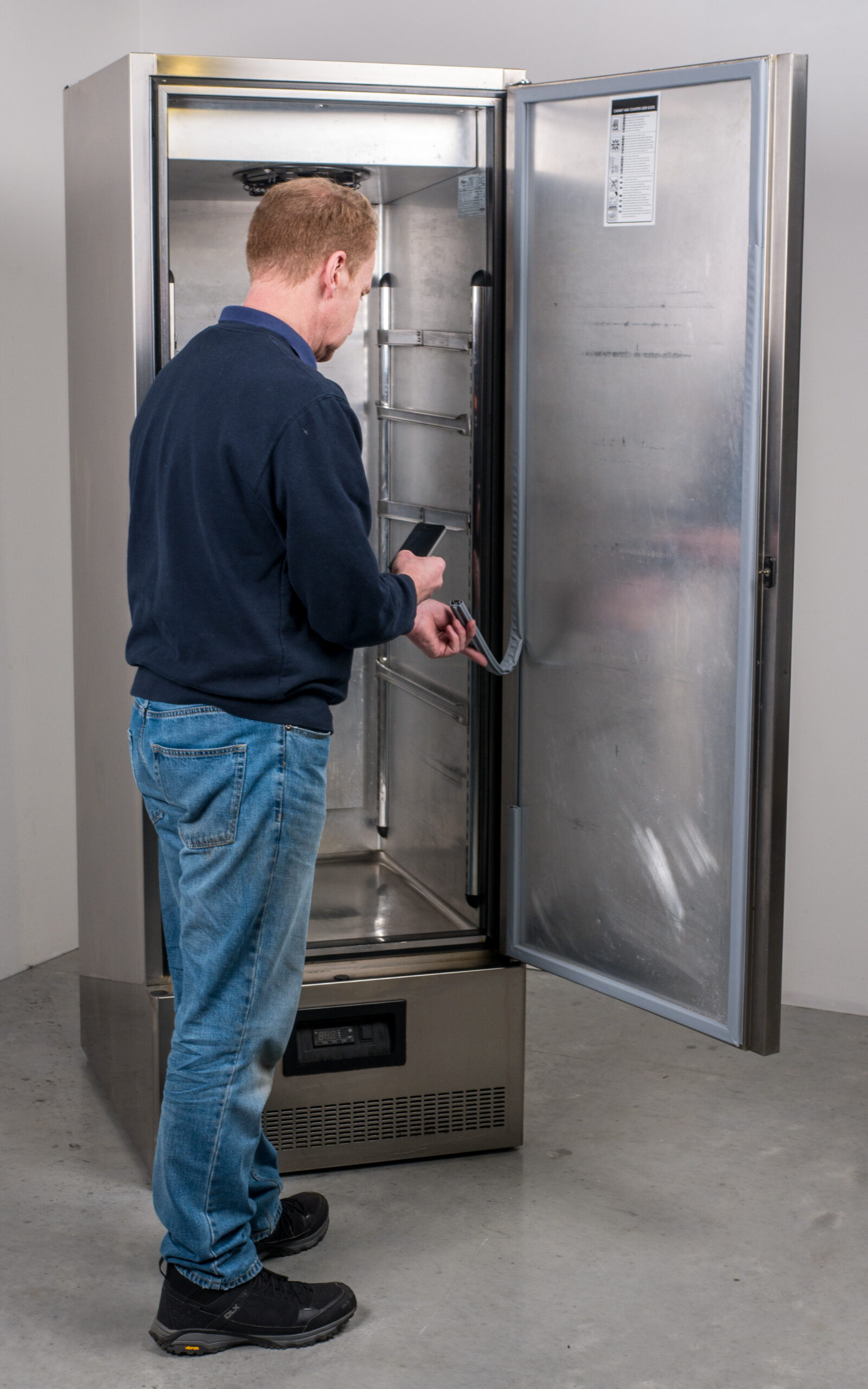
As we explored, fridge door seals, also called gaskets, are a perfect example. These flexible strips sit quietly around the edge of refrigerator and freezer doors, but their role is critical. They create an airtight barrier that keeps cold air locked in and warm air out.
When seals are cracked, loose, or damaged:
- Compressors run longer and harder
- Food storage temperatures become unstable, risking food safety inspections
- Energy bills rise significantly
By replacing worn seals promptly, businesses can:
- Reduce energy wastage by up to 15-21% per unit
- Maintain safe storage temperatures and compliance with UK food safety regulations
- Extend equipment lifespan by reducing strain on refrigeration units
The Cost Impact of Worn Seals
Fridge seal failures don’t just affect energy and financial efficiency – the operational impact is immediate and wide-reaching:
- Extra labour and call-backs – A poor seal often means refrigeration units don’t hold temperature, leading to repeat visits, wasted time, and additional service costs.
- Downtime and disruption – For businesses running multiple sites, every failed fridge risks operational disruption, higher maintenance costs, and even SLA penalties if equipment is out of action.
- Compliance risk – Many commercial kitchens face regular food safety inspections. A damaged seal can mean failing to maintain safe storage temperatures, putting both compliance and reputation at risk.
In short: wasted energy equals wasted profit. Replacing worn seals isn’t just about equipment care; it’s about protecting margins and keeping operations running smoothly.
Why High-Quality, OEM-Grade Seals Matter
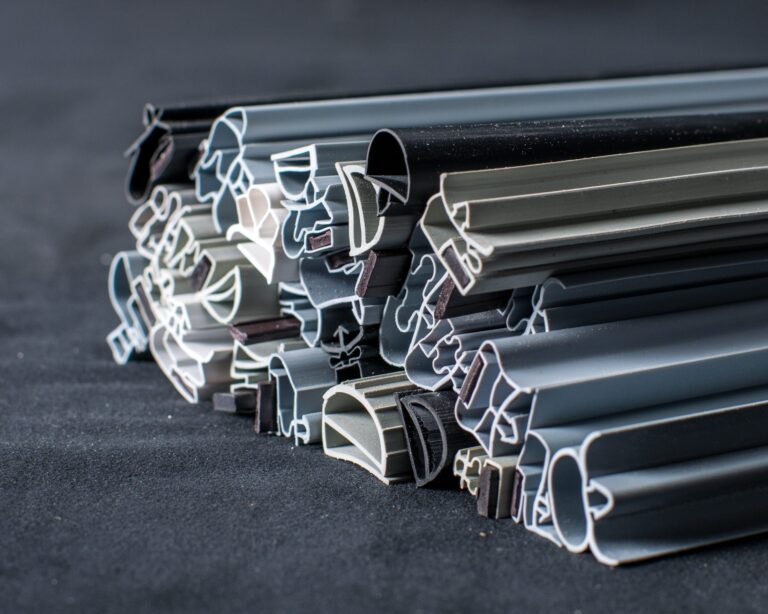
Not all fridge seals are created equal. Many kitchens and organisations still source seals from original fridge manufacturers or low-cost imports, but these often have short lifespans, inconsistent quality, and unverified materials. That means more frequent replacements, more downtime, and more wasted energy.
By contrast, OEM-grade and branded seals are designed to match original equipment standards, giving businesses confidence in both fit and performance. For commercial kitchens under constant pressure, the difference quickly shows up in cost savings and compliance.
Here’s why investing in high-quality fridge seals pays off:
- Superior durability – Unlike cheaper imports that crack or warp within months, OEM-grade seals are built to last, keeping equipment airtight for longer.
- Better energy performance – A reliable seal reduces compressor strain and keeps refrigeration units operating at peak efficiency, preventing the 21% thermal load energy loss that can occur with worn gaskets.
- Right fit, first time – With the UK’s largest database of fridge and freezer seal profiles, we make it easy to identify and order the correct seal, eliminating wasted time and call-backs for engineers.
- Faster turnaround – While refrigeration manufacturers or catering spares companies may take weeks or even months to deliver, we supply most seals next working day.
- Consistent quality control – Every seal at The Seal Company goes through a two-person inspection before dispatch, so engineers and facilities managers can install with confidence.
- Professional packaging & support – Site-ready packaging, technical guidance, dedicated account managers and resources such as our How to Identify Your Seal and How to Measure Your Seal guides make the replacement process simple and hassle-free.
For refrigeration engineers, regional groups, and facilities managers alike, high-quality OEM seals reduce the total cost of ownership – fewer breakdowns, fewer failed inspections, and lower lifetime energy bills.
Choosing the Right Equipment: A vs G Ratings
As important as fridge seals are, energy efficiency in commercial kitchens doesn’t just depend on seals – it starts with the equipment itself. Refrigeration units, like other appliances in the UK, carry an A–G energy rating.
- A-rated units are the most efficient, using less electricity and lowering lifetime energy costs.
- G-rated units sit at the other end of the scale, consuming significantly more power and inflating energy bills.
However, here’s the critical detail: even the most efficient, A-rated fridge won’t perform as advertised if its seals are damaged. A broken gasket undermines the investment, forcing compressors to work harder and driving up costs.
The best strategy is therefore a two-part approach: invest in high-efficiency equipment and maintain airtight seals. Together, they form the frontline defence against wasted energy, helping kitchens reduce bills, stay compliant, and extend the life of their appliances.
How to Maximise Energy Efficiency in Your Kitchen
We’ve seen how compliance rules make airtight seals essential, how refrigeration can account for a significant percentage of a kitchen’s energy bill, and how a single faulty gasket can waste hundreds of pounds a year. We’ve also explored the cost of downtime, the risks of failed inspections, and why investing in OEM-grade seals and efficient equipment pays off in the long run.

So, what does all this mean in practice? Maximising energy efficiency in your kitchen comes down to a few simple but powerful habits:
- Inspect fridge seals regularly – look for cracks, warping, or gaps.
- Replace worn seals quickly – a same-week swap saves money immediately.
- Choose OEM-quality replacements – cheap imports often split early and cost more long-term.
- Partner with a responsive supplier – next-day delivery, correct-fit identification, and no-quibble returns keep downtime to a minimum.
- Think total cost of ownership – saving a few pounds upfront on poor seals costs far more in energy waste and failed inspections.
Of course, fridge seals aren’t the only factor. Commercial kitchen layout, ventilation, lighting, efficient kitchen equipment, and staff practices all play a role in total energy consumption. However, seals are one of the most cost-effective and quick wins – a small investment that delivers immediate and measurable savings.
For more practical advice, check out our guide on how to improve fridge efficiency.
Conclusion: Small Seals, Big Savings
Energy efficiency in commercial kitchens isn’t just about the obvious upgrades like LED lighting, smart ventilation, or A-rated appliances. It’s also about addressing the hidden inefficiencies that quietly drain budgets every day. Fridge seals are one of the most overlooked yet impactful parts of that puzzle.
By keeping seals in good condition and replacing them with high-quality, branded seals or OEM-grade options when needed, kitchens can cut wasted energy, stay compliant, and reduce costly downtime
Whether you’re running a single site or managing a large estate, the right fridge seals make a measurable difference. Our tailored seal supply programs have already helped both local and national operators:
- Cut downtime with same-day dispatch and stocked profiles ready to ship
- Lower long-term costs through durable seals and bulk pricing
- Stay compliant with consistent quality across hundreds of outlets
- Simplify admin with clear invoicing and easy-to-use order forms
Whether you manage one kitchen or a nationwide estate, we make it simple to keep energy costs under control and operations inspection-ready. Contact our expert and friendly team today to see how we can help you!
If you’re unsure about the seal type, profile, or measurement, simply send us your measurements and a few clear photos, or get in touch. Our team will help you get it right the first time, so your fridges stay efficient, compliant, and cost-effective.